Challanges
- Lack of strong project leadership – The assigned project leader was inexperienced and disengaged, requiring me to take on an informal leadership role.
- Diverse user needs – Each user group had distinct pain points that needed tailored solutions.
- Changing project scope – Management initially supported developing a new client portal but later shifted to adapting an existing web-framework instead.
- IT resource constraints – A major internal disruption led to IT reprioritizing projects, resulting in the work being put on hold.
Redesigned Aktiv delgivning’s digital Services: A user-centered transformation
Aktiv Delgivning, a sister company of Alektum Group, requested assistance in improving their entire service. Their operations relied on multiple user groups, including:
- Clients who needed efficient case handling and clear communication.
- Administrators who managed cases internally, and had consistent communication with clients and service men.
- Service men responsible for delivering legal documents in the field.
Although Aktiv Delgivning had access to Alektum’s IT department, prioritization had long delayed improvements. Now, it was finally their turn. Excited by the opportunity, they wanted to modernize their client portal, internal administrative processes and products, and tools for service men.
Design process
While I officially had the role as a UX Designer, I stepped in as an informal project lead to drive the process forward. I structured the work around a design thinking approach, ensuring solutions were rooted in real user needs.
User Research & Insights
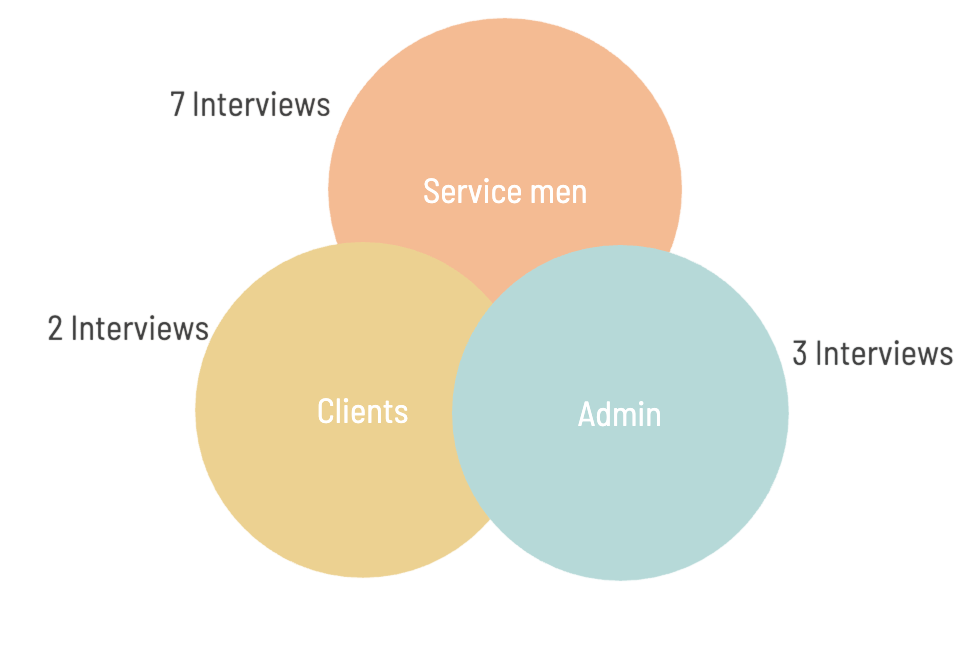
- Conducted in total 12 interviews, 7 interviews with service men, 3 with administrators, and 2 with clients.
- Maintained direct communication with Aktiv Delgivning, gathering additional insights into business needs.
- Identified key pain points across user groups, such as:
- Clients: Lack of visibility into their cases and inefficient communication.
- Administrators: Outdated product features and internal processes causing delays.
- Service men: Inadequate tools for managing deliveries in the field.
- Synthesizing findings & defining direction
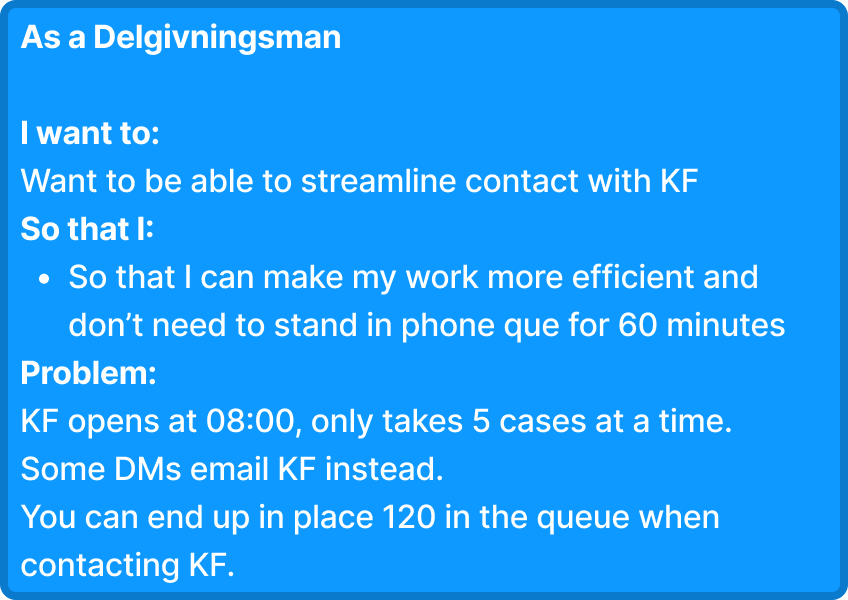
Transcribed, analyzed, and structured findings from all interviews into clear insights and user stories. 3 examples of User stories are shown below out of 50+ created from the findings with the Service men.
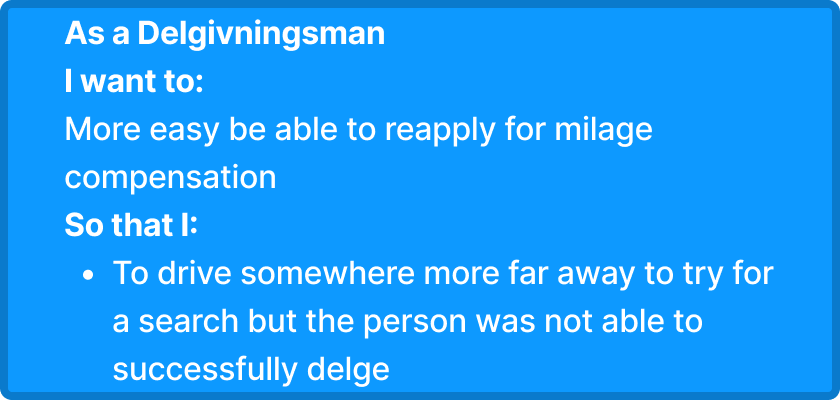
KF stands for Kronofogden
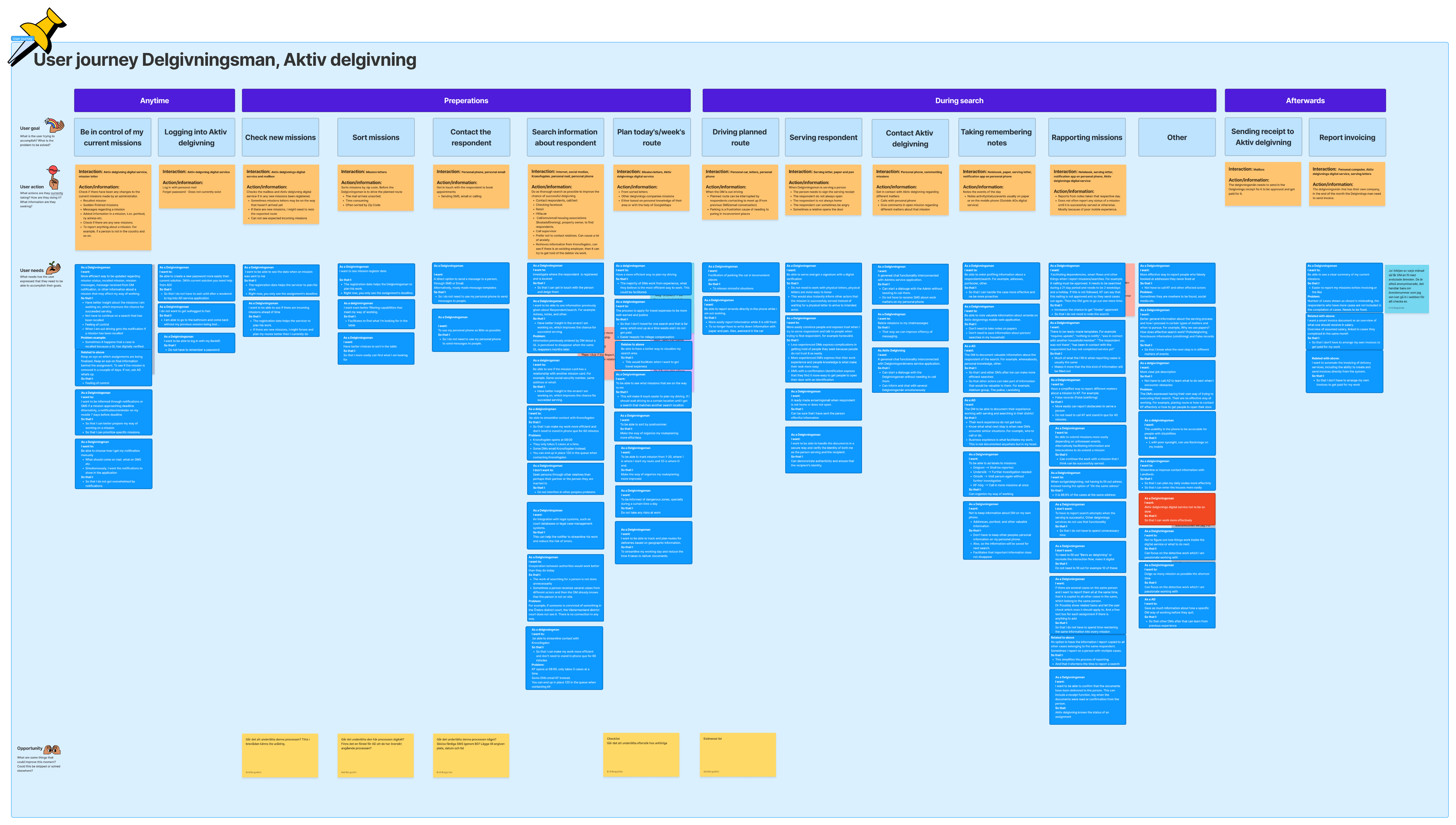
For the Service men I designed a visionary future-state journey, outlining an improved digital experience. To the right are an example out of how I designed and structured the Service men visionary user journey.
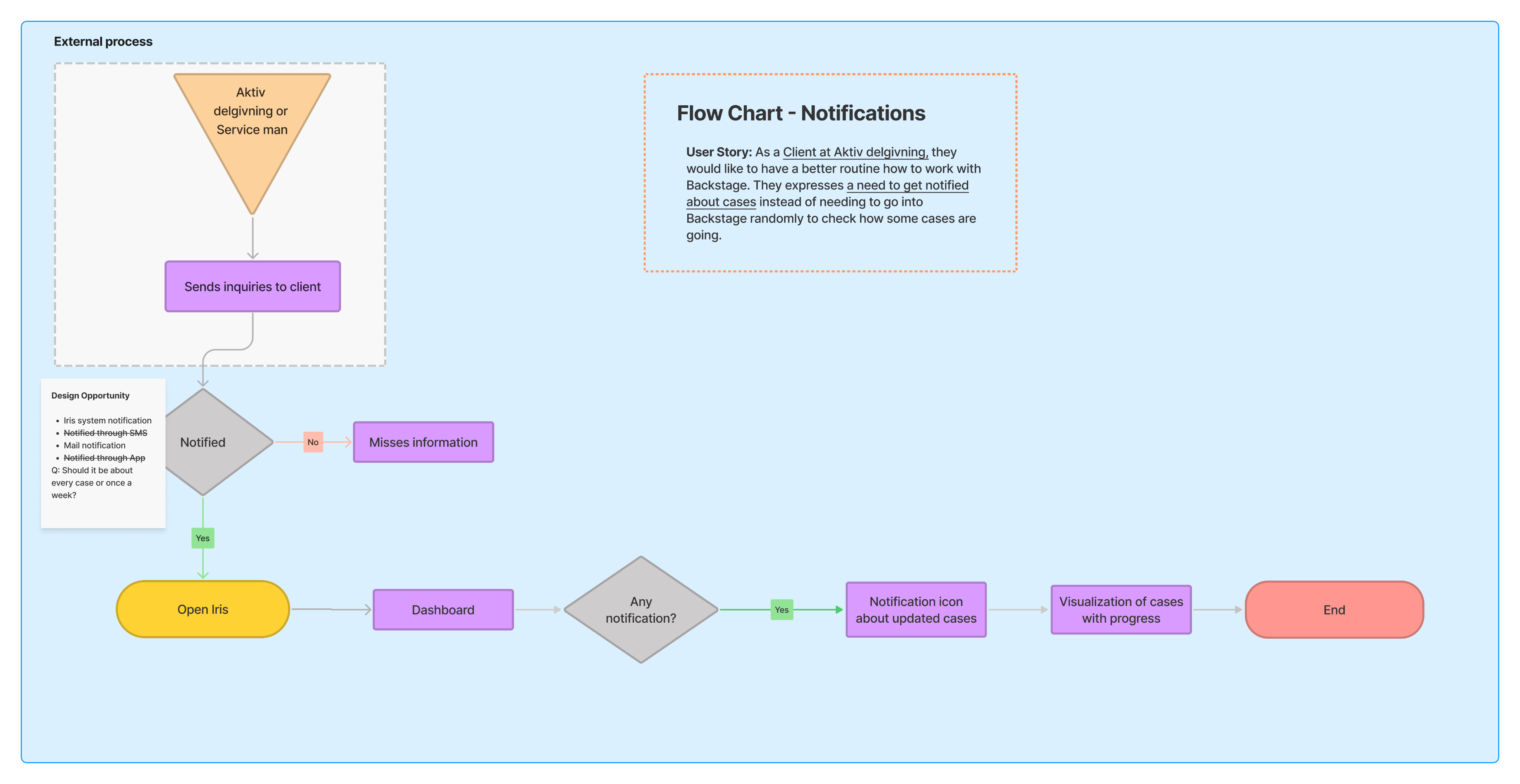
From the findings I got interviewing the clients I wrote user stories and created visual flow charts which would facilitate the discussion with the different stakeholders. To the left is one of many flowcharts I designed to visualize flaws in the current flow and potentail solutions.
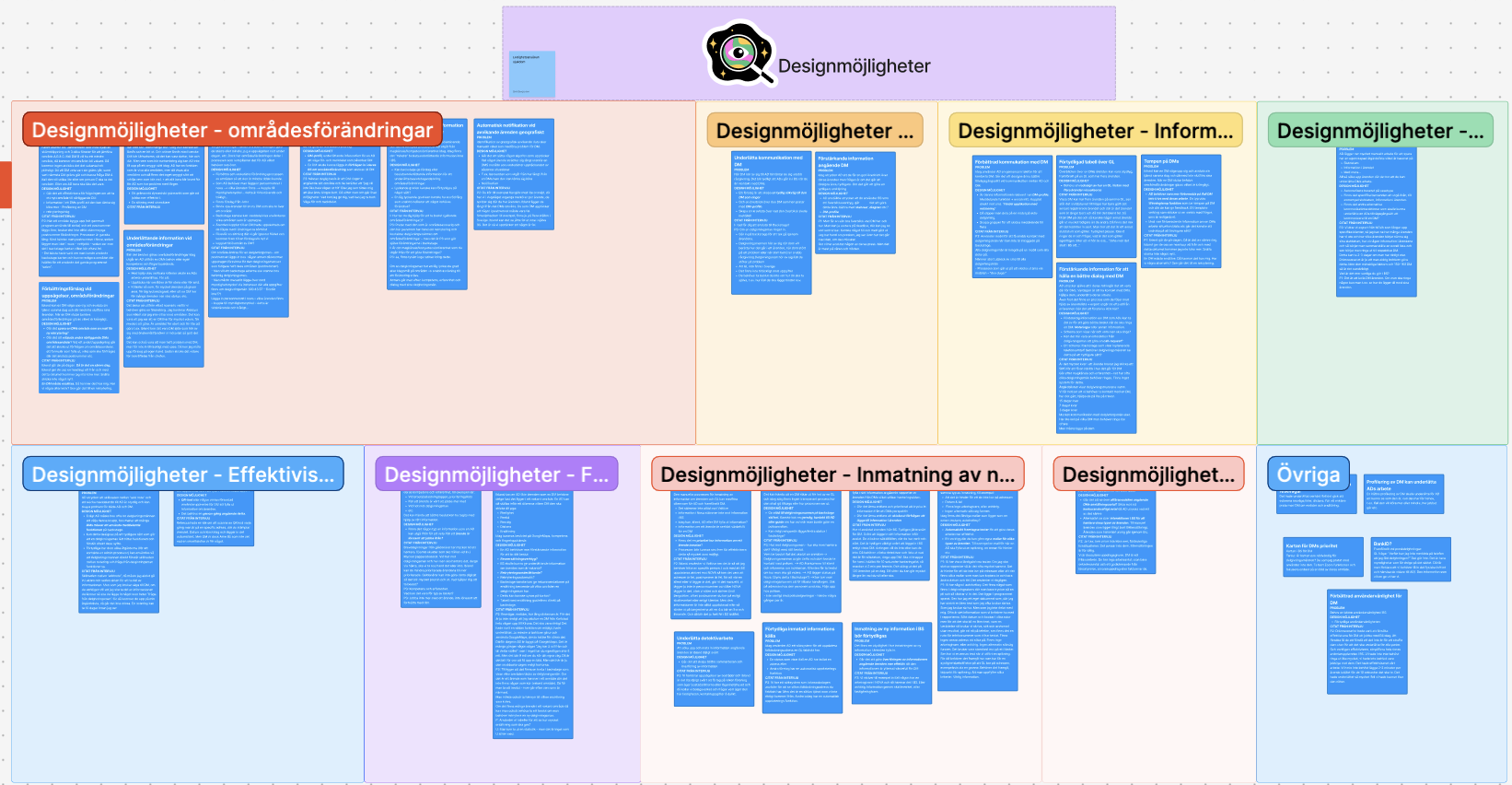
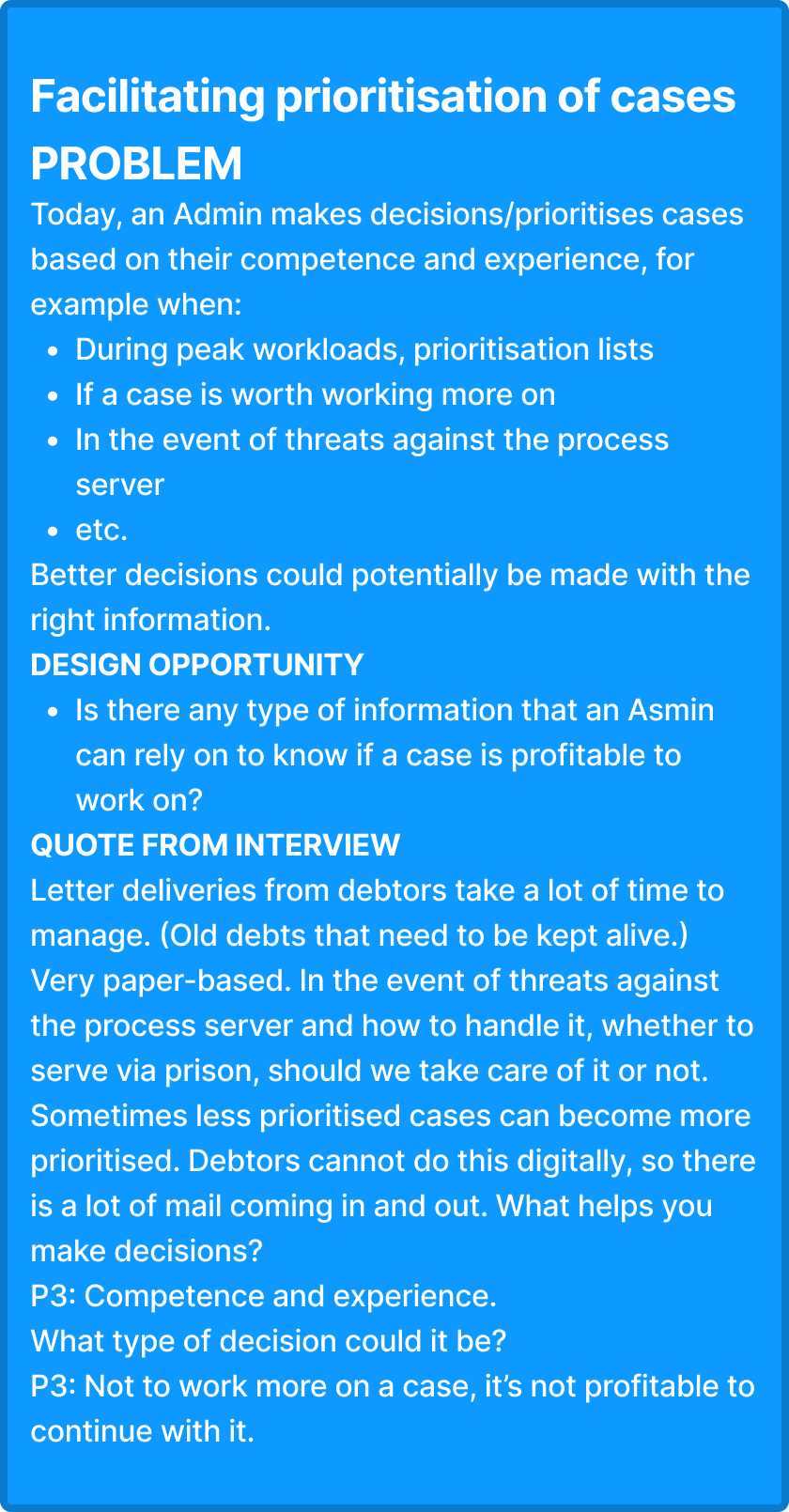
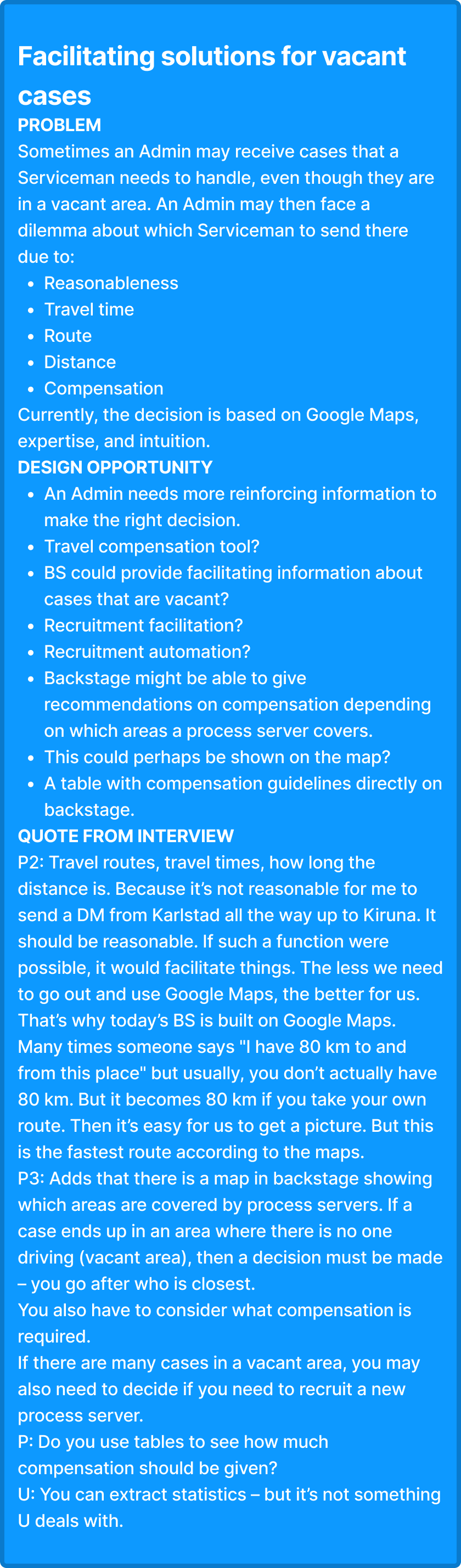
From the findings I got from interviewing the administrators I only did very in depth user stories which had Design possiblities in them
From the findings I got from interviewing the administrators I only did very in depth user stories which had Design possiblities in them
Reflection:
During this project, I conducted all the user research and synthesis simultaneously for all three users, which turned out to be very time-consuming. In future projects, I’d prefer to work with one user at a time, completing the research and synthesis before moving on to the next. However, in the time pressure we had, there was no other choice. And each of the users I interviewed provided interesting insights into the needs of other users. Or the insights could create an understanding of a complexity that created problems for other user groups, which could then be seen as opportunities for improvement.
Also, during this project i tested different approaches to synthesis the findings. I can say that I liked all of them. However, I think that visualizing the findings into a User journey was most effective when it came to presenting them to others stakeholders of the project.
Phase 2: Discovering and designing the client portal
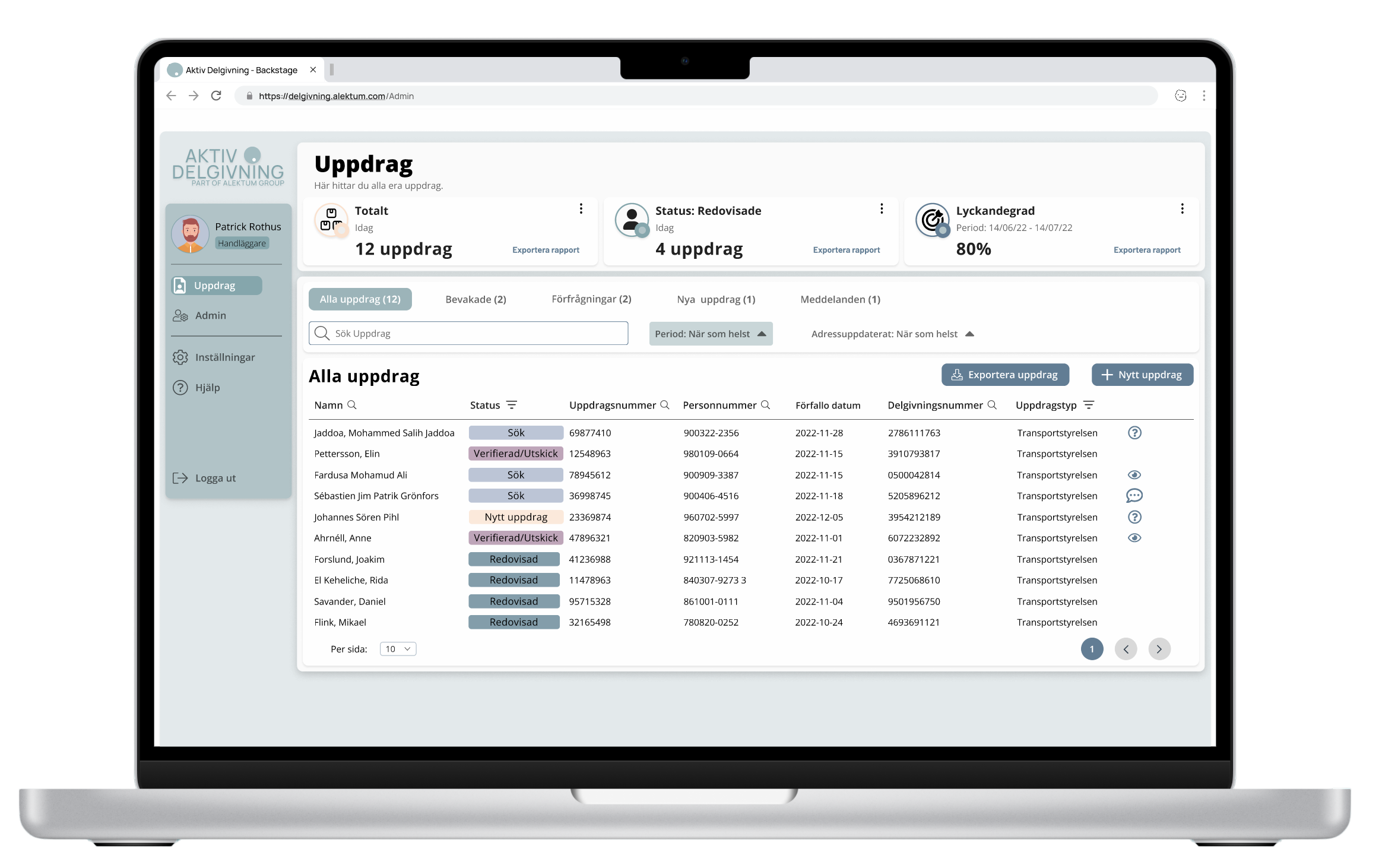
After a discussion with Aktiv Delgivning, they descided that I initiated design work for a new client portal, driven both by expressed client needs and Aktiv's desire for a feature that could serve as a selling point.
Prototyping & Iteration
- Started designing a new client portal based on user stories and visual flow charts.
- I based the UI design on Aktiv Delgivning’s brand book, and the design was refined through an iterative process in close collaboration with the team. The final result was reviewed and validated by Aktiv Delgivning.
Below are a few examples of frames and features I was working on iteratively to fit all client needs:
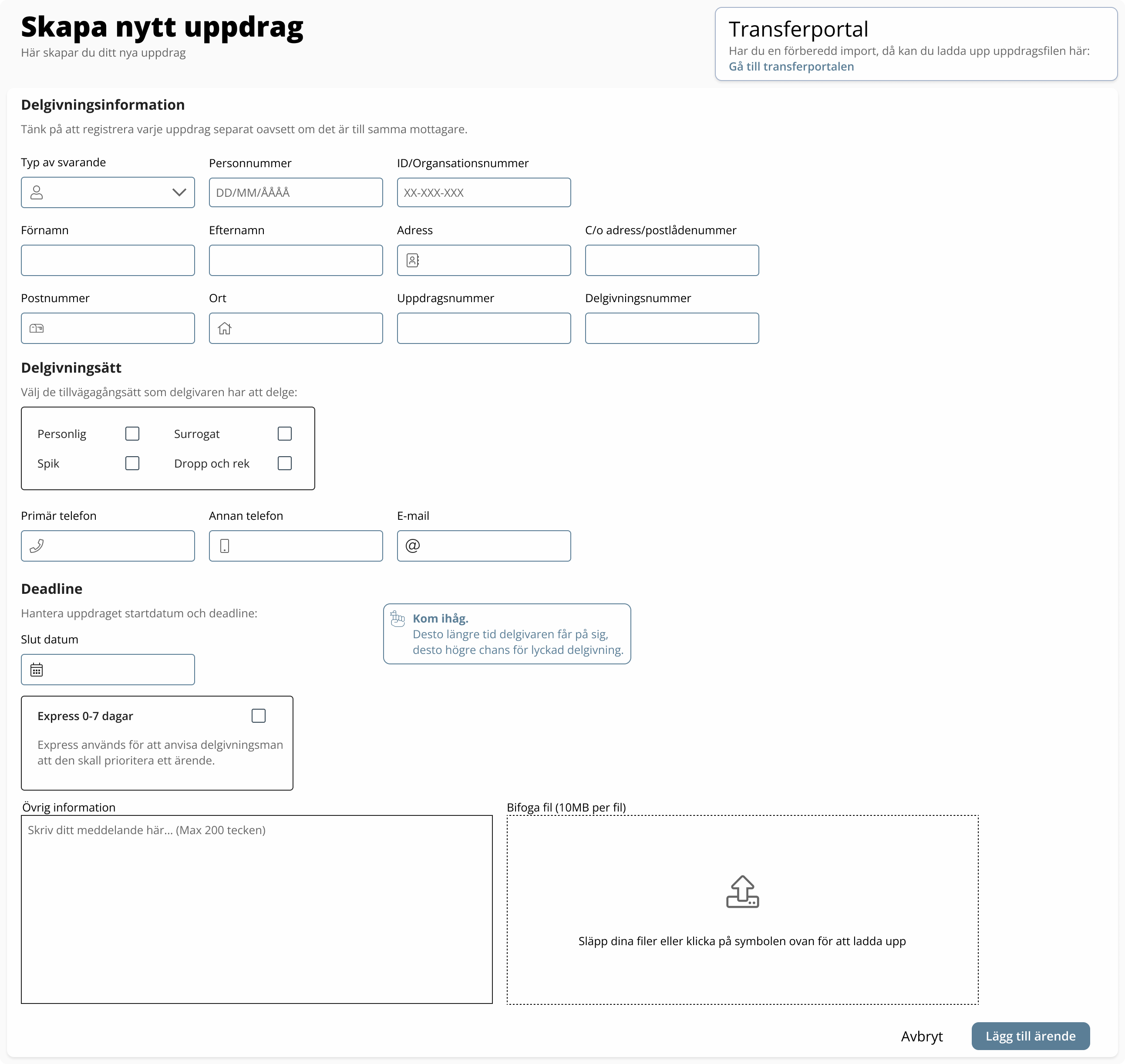
Register case online
User story: As a client, I want to be able to register an Aktiv delgivning case online, so that I can submit the necessary information digitally without having to manually generate and send a letter.
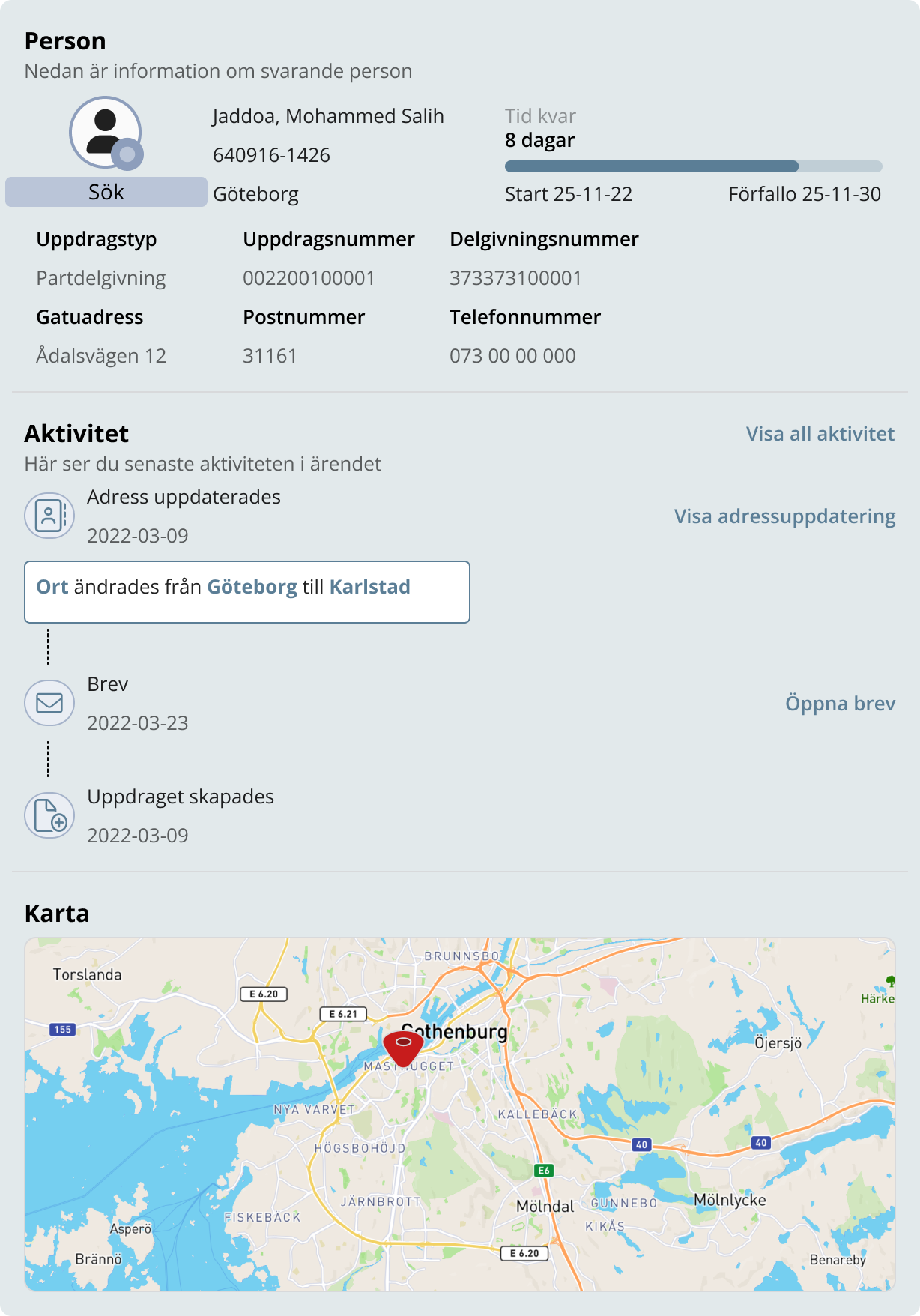
View case details and delivery activity
User Story: As a client, I want to be able to view relevant information about an Aktiv delgivning case, such as completed and upcoming activities, the map position of the delivery attempt, and other important case details, so that I can stay updated and informed without needing to contact support.
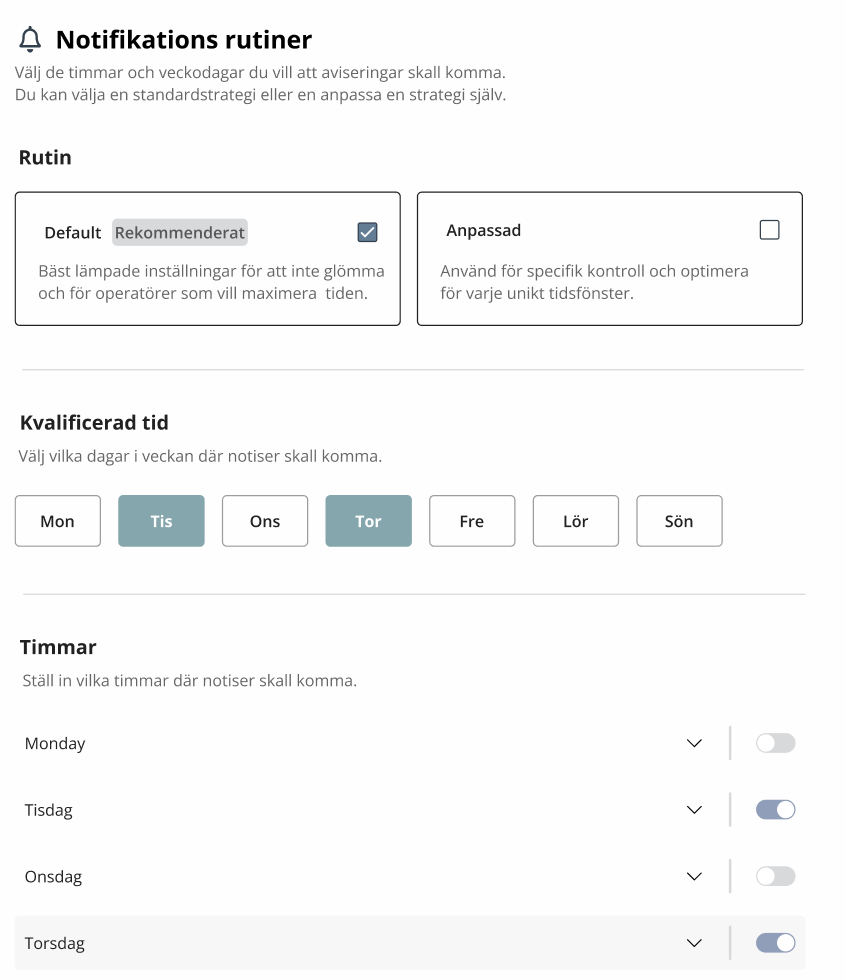
Setting up notification routines
User Story: As a Client at Aktiv delgivning, I would like to have a better routine how to work with the client portal. They expresses a need to get notified about cases instead of needing to go into Backstage randomly to check how some cases are going.
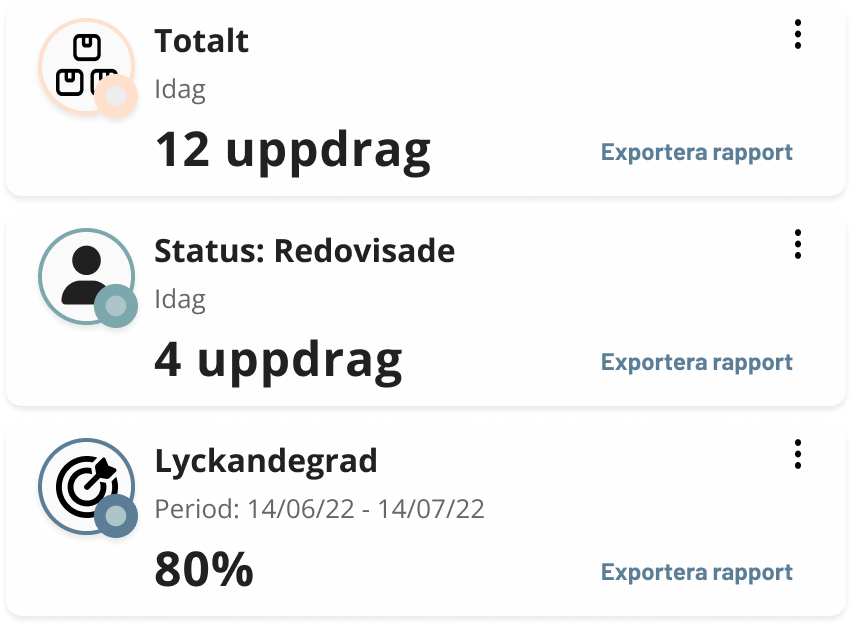
Data visualization
User Story: As a Client at Aktiv delgivning, they want to be able to see more relevant data visualisations. They also want to be able to download reports in a format that is presentable.
Pivoting to a New Framework
Midway through development, management shifted direction and decided to adapt an existing Alektum client framework rather than building a new solution from scratch. The decision came as a surprise, especially since we had previously aligned with management on the original approach. The shift likely stemmed from shortcomings in communication and decision-making within the management team at the time. Still, we were able to leverage the insights we had gathered to redesign and enhance the client portal. It took a great deal of effort to rework the debt collection–oriented framework, which had originally been developed for inkasso clients, and adapt it to suit the needs of clients in a service-based business.
Phase 3: Addressing service men
- Defining the Vision
- Used interview findings to map the current and future user journeys for service men and administrators.
- Translated key pain points into user stories, making them actionable for development.
- Aligning Teams & Prioritizing Development
- Organized a workshop with developers and administrators to:
- Define technical complexity and business priorities.
- Establish a Minimum Viable Product (MVP).
- Facilitate alignment between UX, IT, and business teams.
This process ensured the team had a clear roadmap for implementation.
- Early Design & Prototyping
- Started sketching wireframes and designing a prototype for service men’s tools.
- Focused on streamlining workflows and improving access to case information.
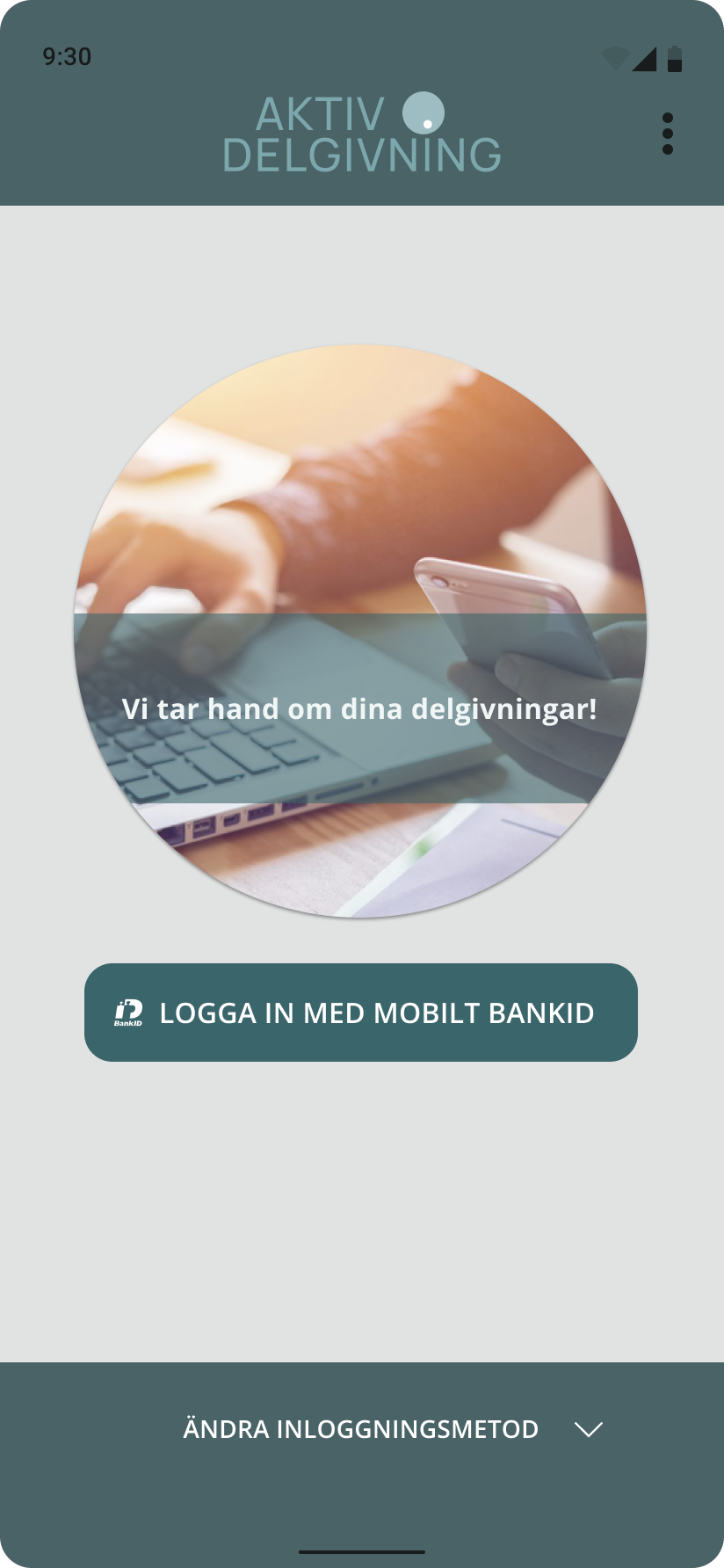
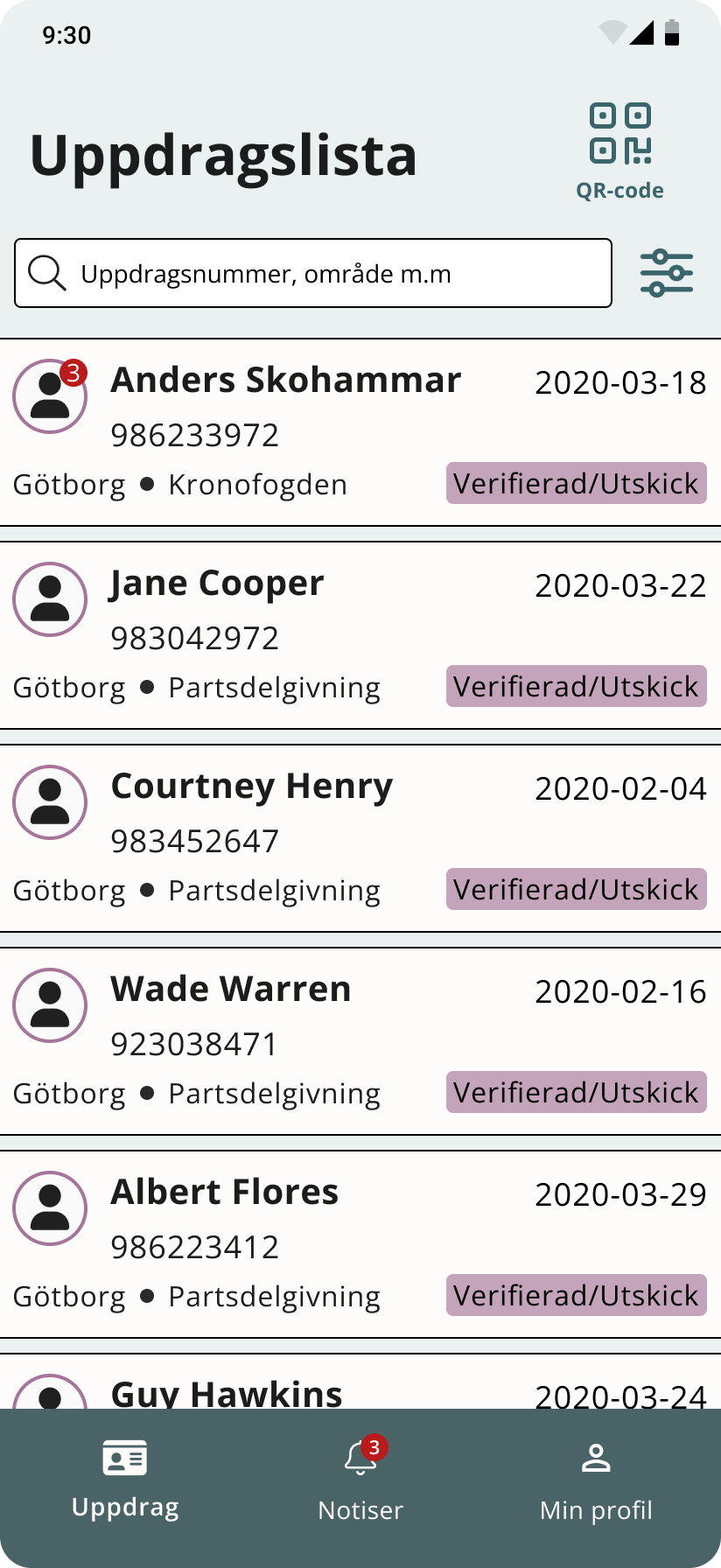
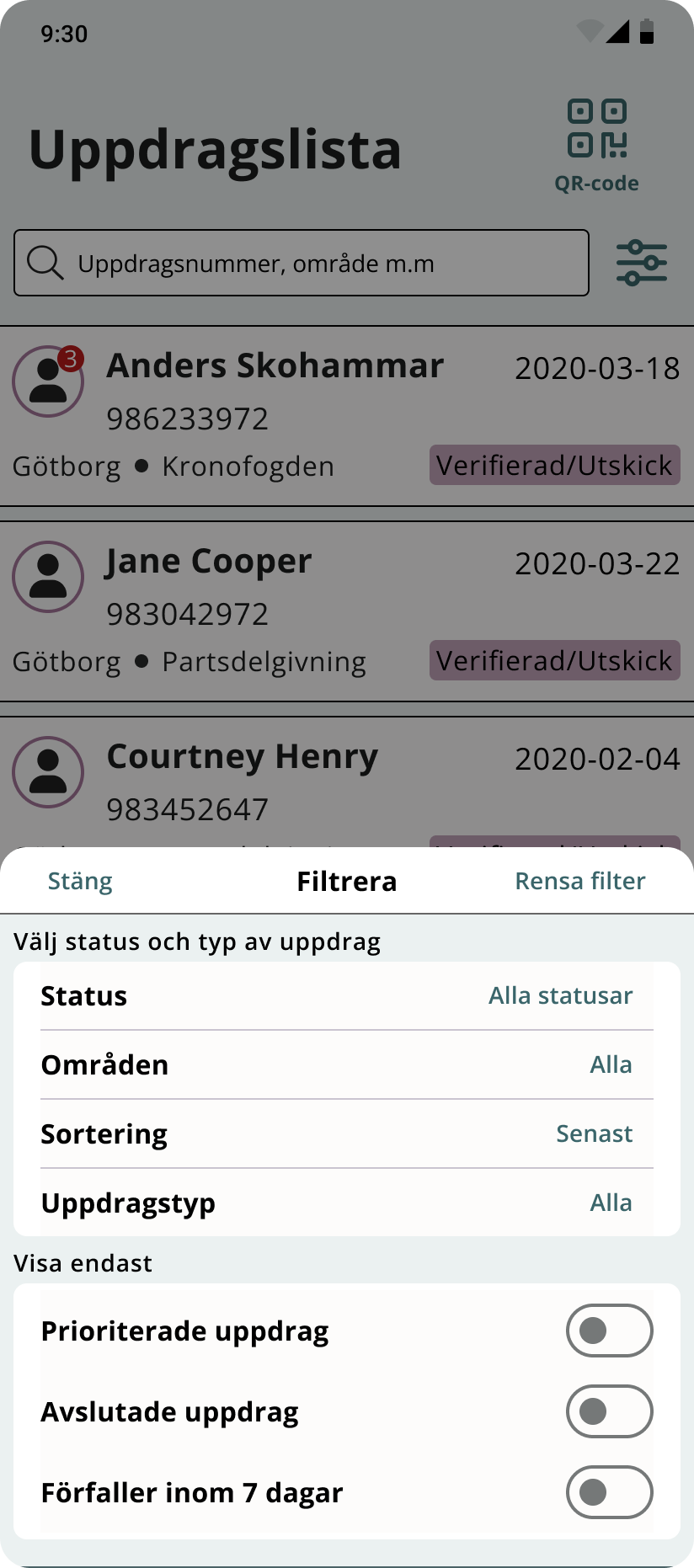
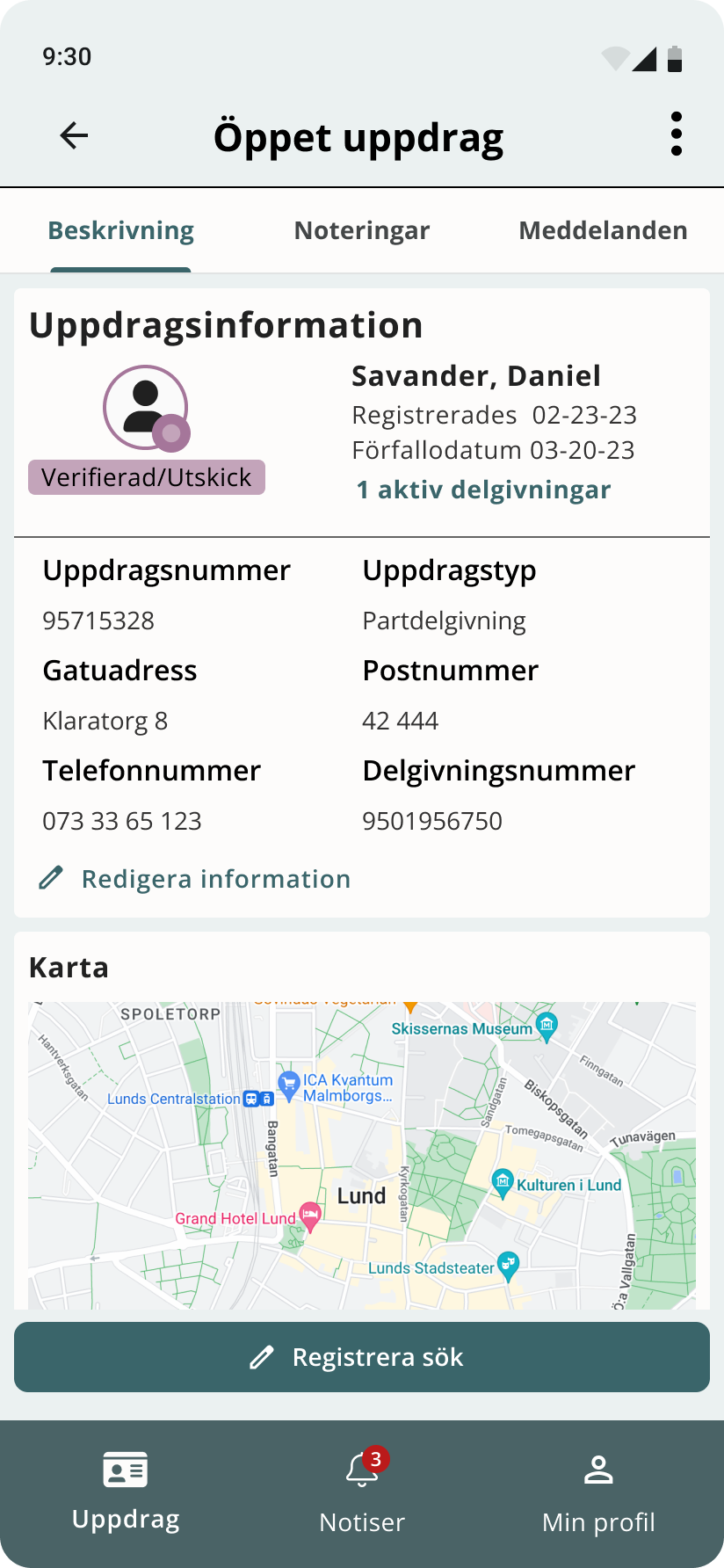
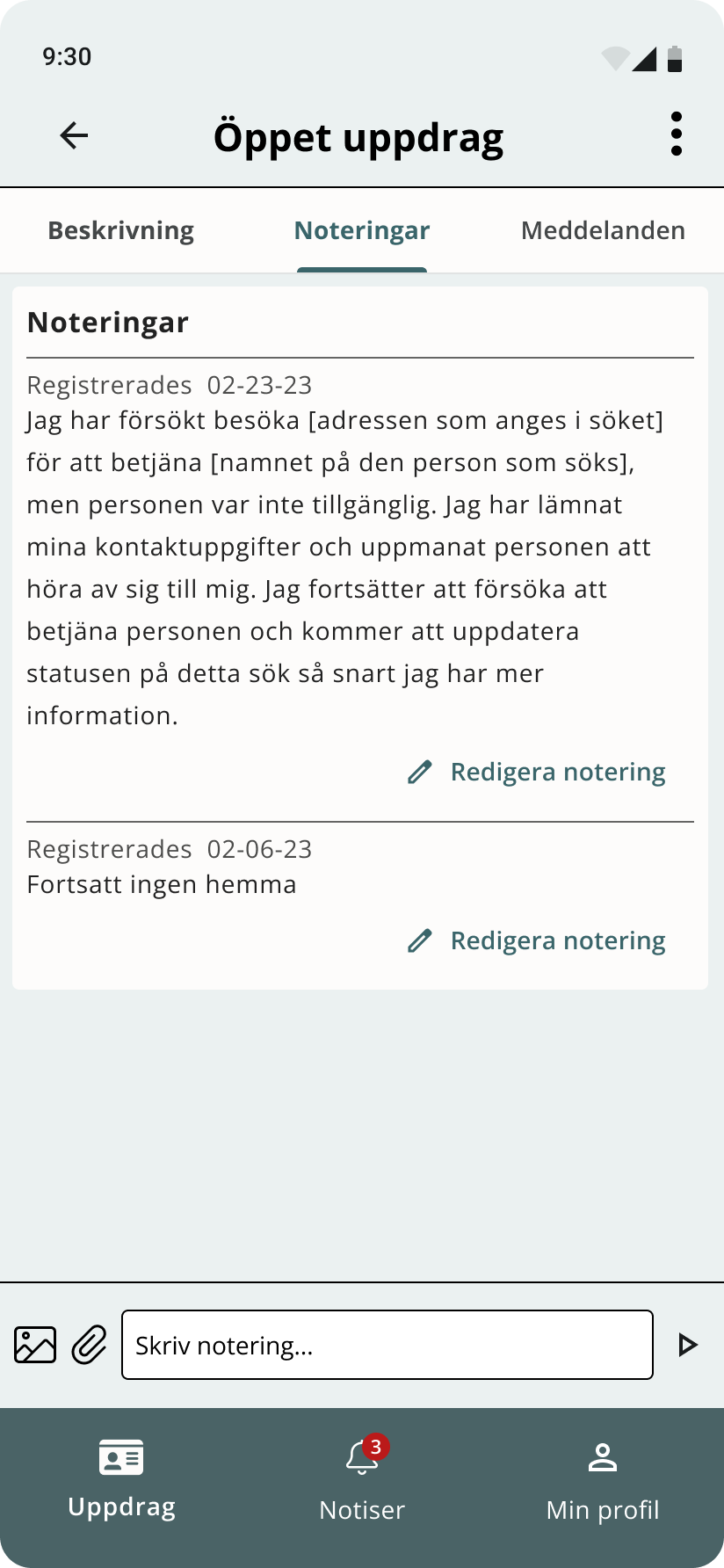
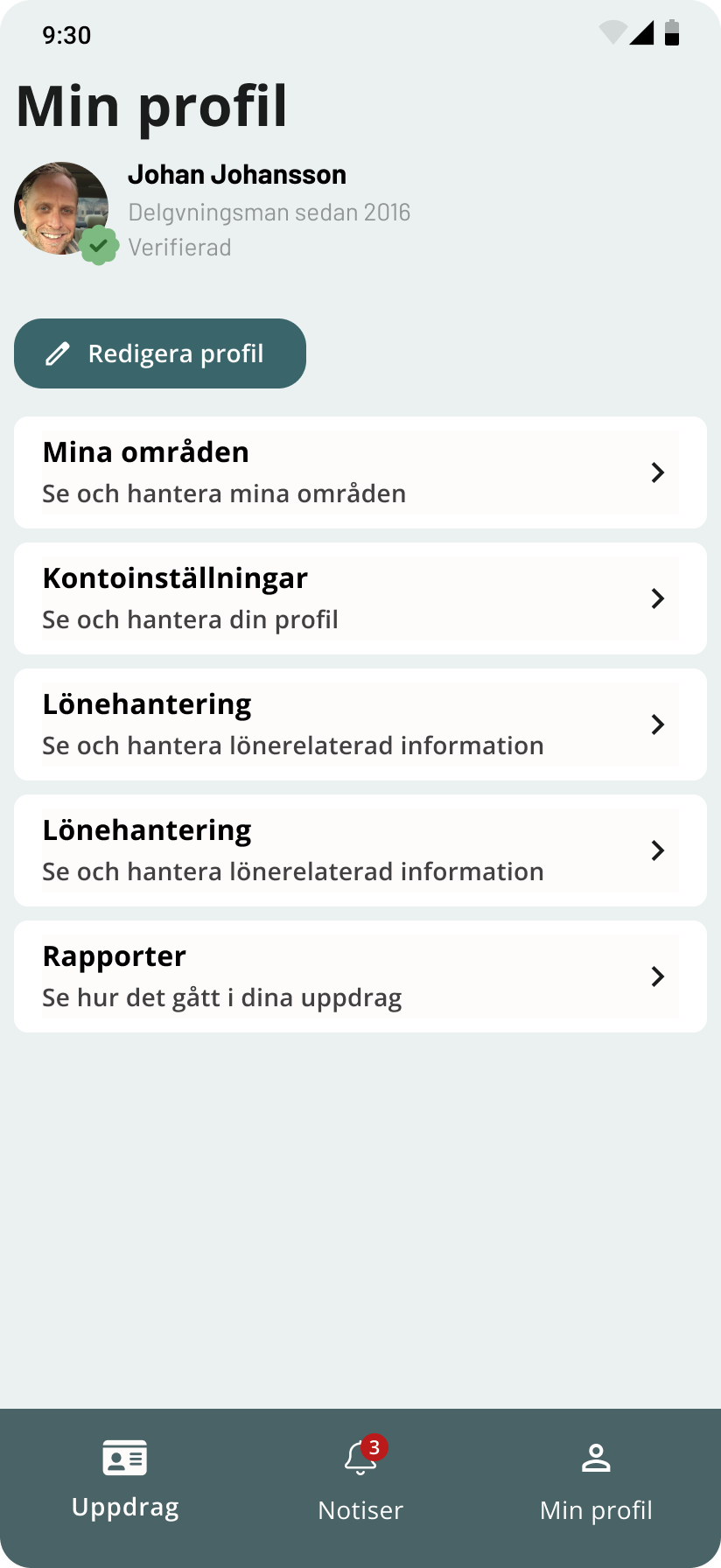
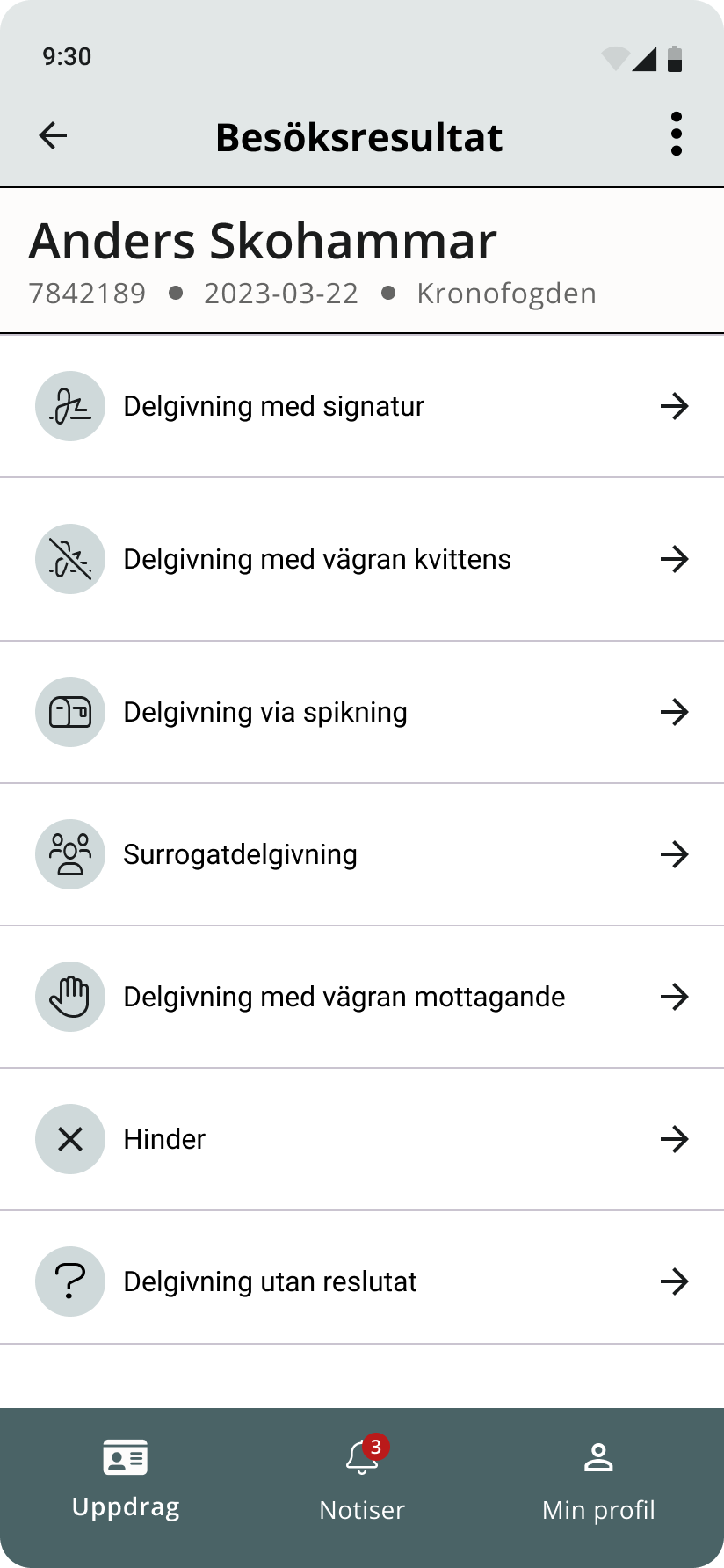
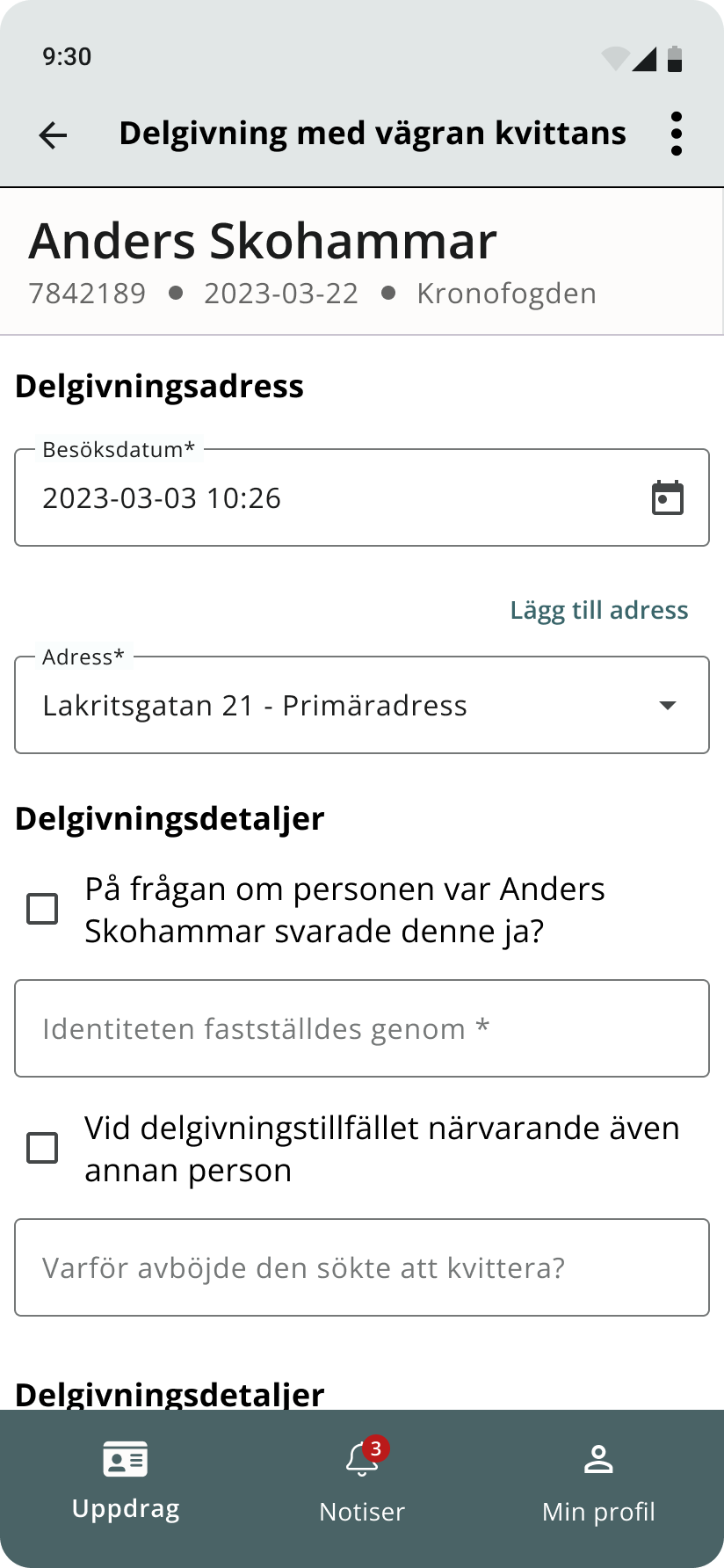
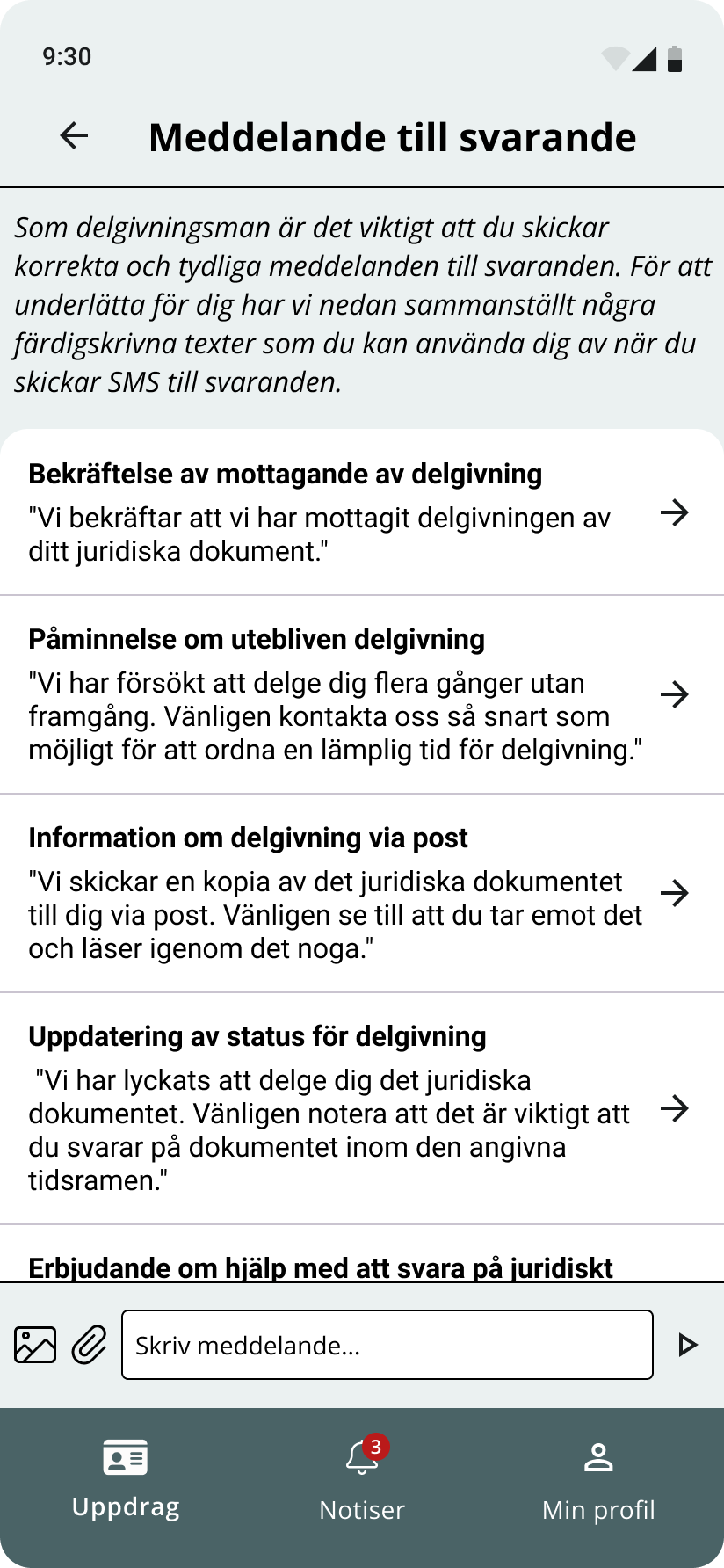
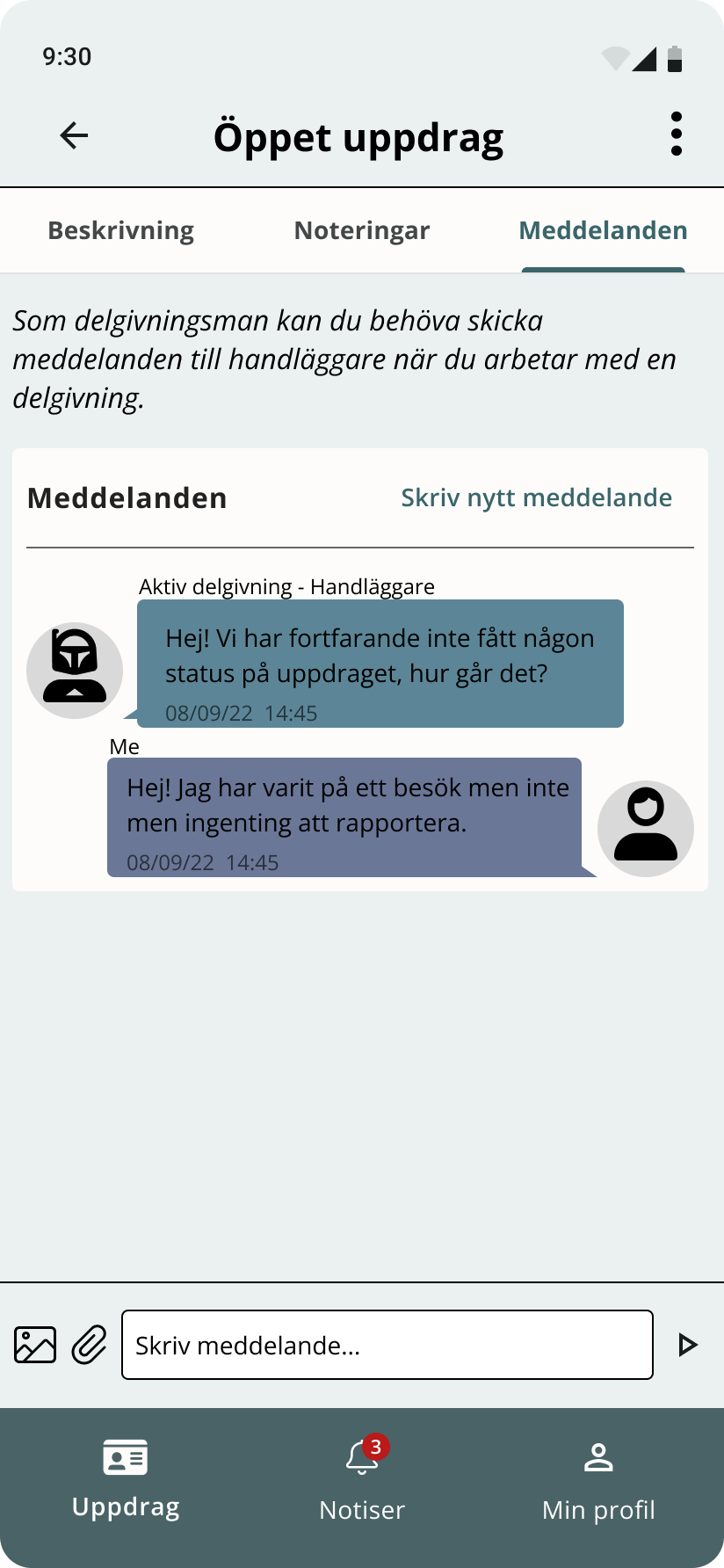
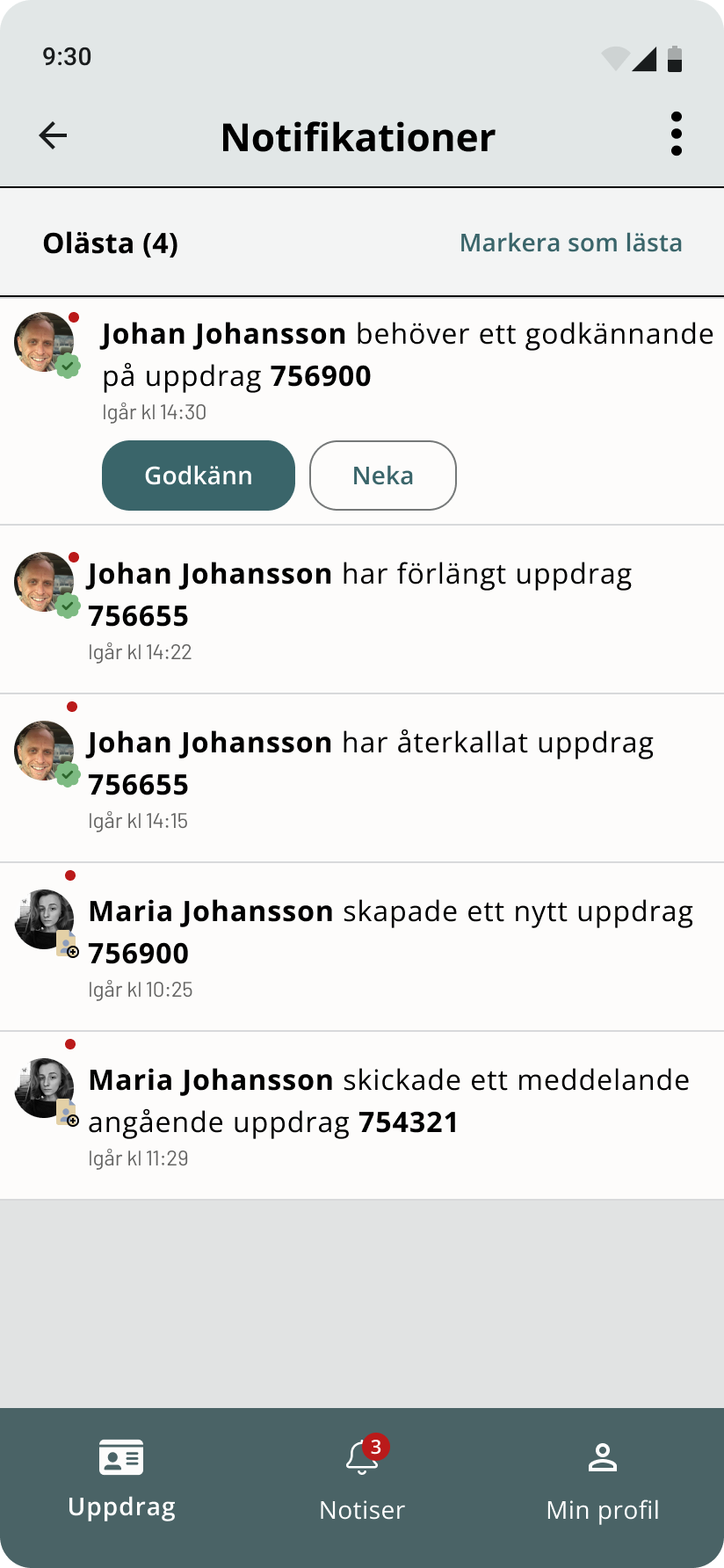
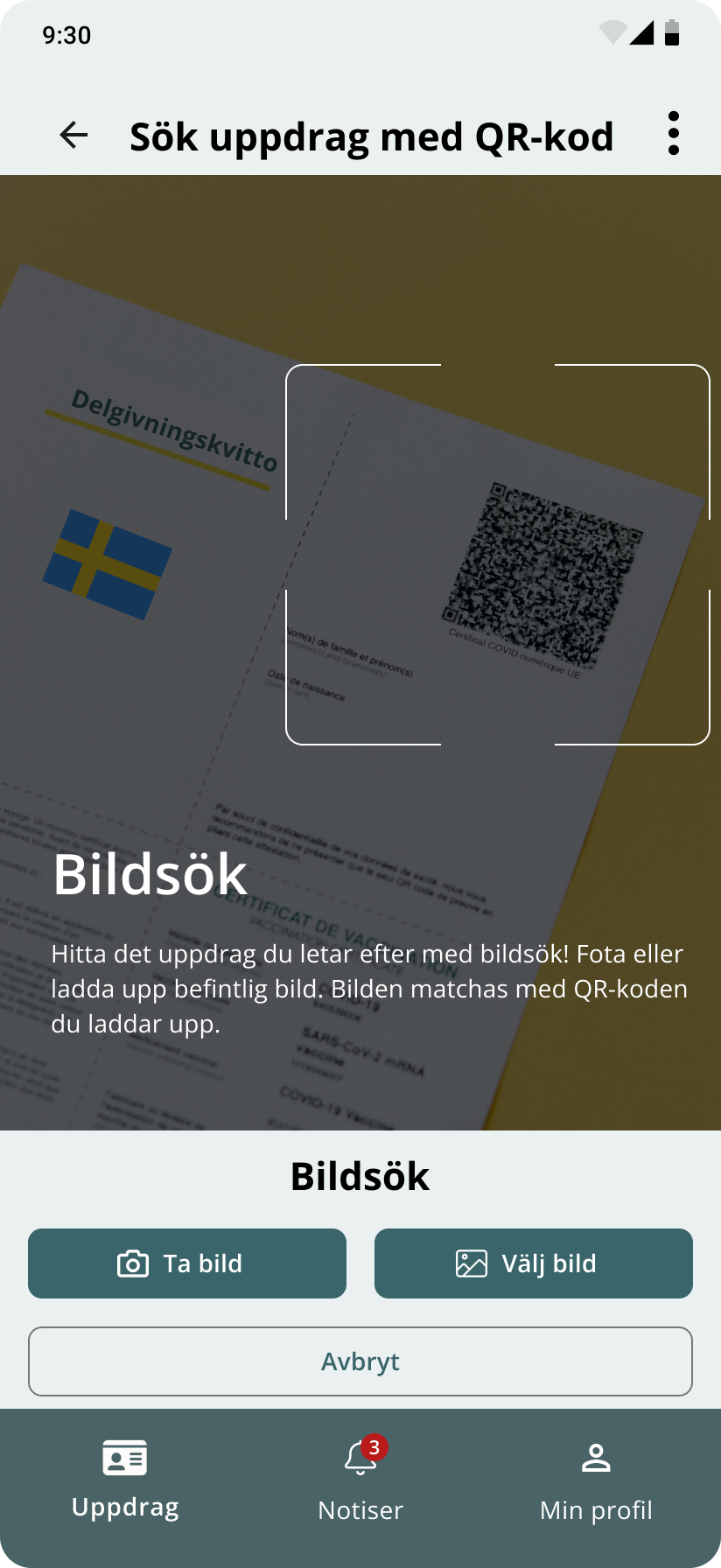
Below are frames that was set together as an interactive prototype that the Servicemen was going to evaluate and validate. However, a major disruption led to the evaluation of the prototype never happened which is more described in the next chapter.
Major disruption & project pause
As development gained momentum, a major disruption hit Alektum’s IT department, with key personnel leaving. This caused a sudden halt in IT resources, forcing the project into an indefinite pause. Due to economic pressures and inflation, Aktiv Delgivning’s improvements were deprioritized in favor of more urgent business needs.
Result & Impact
- Redesigned and improved the client portal, leading to better communication and case handling.
- Defined and prototyped solutions for service men and administrators, preparing for future implementation.
- Facilitated cross-functional collaboration, ensuring technical feasibility and business alignment.
- Established a user-centered approach within Aktiv Delgivning, proving the value of UX research.
Reflections & Next Steps
This project reinforced the importance of flexibility in UX work. Even with shifting priorities and unexpected disruptions, we ensured that research insights remained valuable and adaptable. While the service men and administrator improvements remain on hold, the work provides a strong foundation for future digital transformation when resources allow.
If I were to do this again, I would advocate for stronger project leadership from the start and push for early IT resource commitments to prevent last-minute disruptions.
Want to know more?


Redesigned Aktiv delgivning’s digital Services: A user-centered transformation
Aktiv Delgivning, a sister company of Alektum Group, requested assistance in improving their entire service. Their operations relied on multiple user groups, including:
- Clients who needed efficient case handling and clear communication.
- Administrators who managed cases internally, and had consistent communication with clients and service men.
- Service men responsible for delivering legal documents in the field.
Although Aktiv Delgivning had access to Alektum’s IT department, prioritization had long delayed improvements. Now, it was finally their turn. Excited by the opportunity, they wanted to modernize their client portal, internal administrative processes and products, and tools for service men.
Challanges
- Lack of strong project leadership – The assigned project leader was inexperienced and disengaged, requiring me to take on an informal leadership role.
- Diverse user needs – Each user group had distinct pain points that needed tailored solutions.
- Changing project scope – Management initially supported developing a new client portal but later shifted to adapting an existing web-framework instead.
- IT resource constraints – A major internal disruption led to IT reprioritizing projects, resulting in the work being put on hold.
Design process
While I officially had the role as a UX Designer, I stepped in as an informal project lead to drive the process forward. I structured the work around a design thinking approach, ensuring solutions were rooted in real user needs.
User Research & Insights
- Conducted in total 12 interviews, 7 interviews with service men, 3 with administrators, and 2 with clients.
- Maintained direct communication with Aktiv Delgivning, gathering additional insights into business needs.
- Identified key pain points across user groups, such as:
- Clients: Lack of visibility into their cases and inefficient communication.
- Administrators: Outdated product features and internal processes causing delays.
- Service men: Inadequate tools for managing deliveries in the field.
- Synthesizing findings & defining direction
Transcribed, analyzed, and structured findings from all interviews into clear insights and user stories. 3 examples of User stories are shown below out of 50+ created from the findings with the Service men.
KF stands for Kronofogden
For the Service men I designed a visionary future-state journey, outlining an improved digital experience. To the right are an example out of how I designed and structured the Service men visionary user journey.
From the findings I got interviewing the Clients I wrote user stories and created visual flow charts which would facilitate the discussion with the different stakeholders. To the left is one of many flowcharts I designed to visualize flaws in the current flow and potential solutions.
From the findings I got from interviewing the administrators I wrote In depth user stories which had Design possibilities in them
The in depth user stories could like:
Reflection:
During this project, I conducted all the user research and synthesis simultaneously for all three users, which turned out to be very time-consuming. In future projects, I’d prefer to work with one user at a time, completing the research and synthesis before moving on to the next. However, in the time pressure we had, there was no other choice. And each of the users I interviewed provided interesting insights into the needs of other users. Or the insights could create an understanding of a complexity that created problems for other user groups, which could then be seen as opportunities for improvement.
Also, during this project i tested different approaches to synthesis the findings. I can say that I liked all of them. However, I think that visualizing the findings into a User journey was most effective when it came to presenting them to others stakeholders of the project.
Phase 2: Discovering and designing the client portal
After a discussion with Aktiv Delgivning, they decided that I were to initiate the design work for a new client portal, driven both by expressed client needs and Aktiv's desire for a feature that could serve as a selling point.
Prototyping & Iteration
- Started designing a new client portal based on user stories and visual flow charts.
- I based the UI design on Aktiv Delgivning’s brand book, and the design was refined through an iterative process in close collaboration with the team. The final result was reviewed and validated by Aktiv Delgivning.
Below are a few examples of frames and features I was working on iteratively to fit all client needs:
Register case online
User story: As a client, I want to be able to register an Aktiv delgivning case online, so that I can submit the necessary information digitally without having to manually generate and send a letter.
View case details and delivery activity
User Story: As a client, I want to be able to view relevant information about an Aktiv delgivning case, such as completed and upcoming activities, the map position of the delivery attempt, and other important case details, so that I can stay updated and informed without needing to contact support.
Setting up notification routines
User Story: As a Client at Aktiv delgivning, I would like to have a better routine how to work with the client portal. They expresses a need to get notified about cases instead of needing to go into Backstage randomly to check how some cases are going.
Data visualization
User Story: As a Client at Aktiv delgivning, they want to be able to see more relevant data visualisations. They also want to be able to download reports in a format that is presentable.
Alektum IT management changes their mind to a new framework
Midway through development, management shifted direction and decided to adapt an existing Alektum client framework rather than building a new solution from scratch. The decision came as a surprise, especially since we had previously aligned with management on the original approach. The shift likely stemmed from shortcomings in communication and decision-making within the management team at the time. Still, we were able to leverage the insights we had gathered to redesign and enhance the client portal. It took a great deal of effort to rework the debt collection–oriented framework, which had originally been developed for inkasso clients, and adapt it to suit the needs of clients in a service-based business.
Phase 3: Addressing service men
- Defining the Vision
- Used interview findings to map the current and future user journeys for service men and administrators.
- Translated key pain points into user stories, making them actionable for development.
- Aligning Teams & Prioritizing Development
- Organized a workshop with developers and administrators to:
- Define technical complexity and business priorities.
- Establish a Minimum Viable Product (MVP).
- Facilitate alignment between UX, IT, and business teams.
This process ensured the team had a clear roadmap for implementation.
- Early Design & Prototyping
- Started sketching wireframes and designing a prototype for service men’s tools.
- Focused on streamlining workflows and improving access to case information.
Below are frames that was set together as an interactive prototype that the Servicemen was going to evaluate and validate. However, a major disruption led to the evaluation of the prototype never happened which is more described in the next chapter.
Major disruption & project pause
As development gained momentum, a major disruption hit Alektum’s IT department, with key personnel leaving. This caused a sudden halt in IT resources, forcing the project into an indefinite pause. Due to economic pressures and inflation, Aktiv Delgivning’s improvements were deprioritized in favor of more urgent business needs.
Result & Impact
- Redesigned and improved the client portal, leading to better communication and case handling.
- Defined and prototyped solutions for service men and administrators, preparing for future implementation.
- Facilitated cross-functional collaboration, ensuring technical feasibility and business alignment.
- Established a user-centered approach within Aktiv Delgivning, proving the value of UX research.
Reflections & Next Steps
This project reinforced the importance of flexibility in UX work. Even with shifting priorities and unexpected disruptions, we ensured that research insights remained valuable and adaptable. While the service men and administrator improvements remain on hold, the work provides a strong foundation for future digital transformation when resources allow.
If I were to do this again, I would advocate for stronger project leadership from the start and push for early IT resource commitments to prevent last-minute disruptions.
Want to know more?

